 TR
TR  EN
EN  AR
AR  RU
RU  ZH
ZH  DE
DE  FR
FR  ES
ES  HI
HI  FA
FA BAE is reinforcing its position as a global hub for cross-border e-commerce.
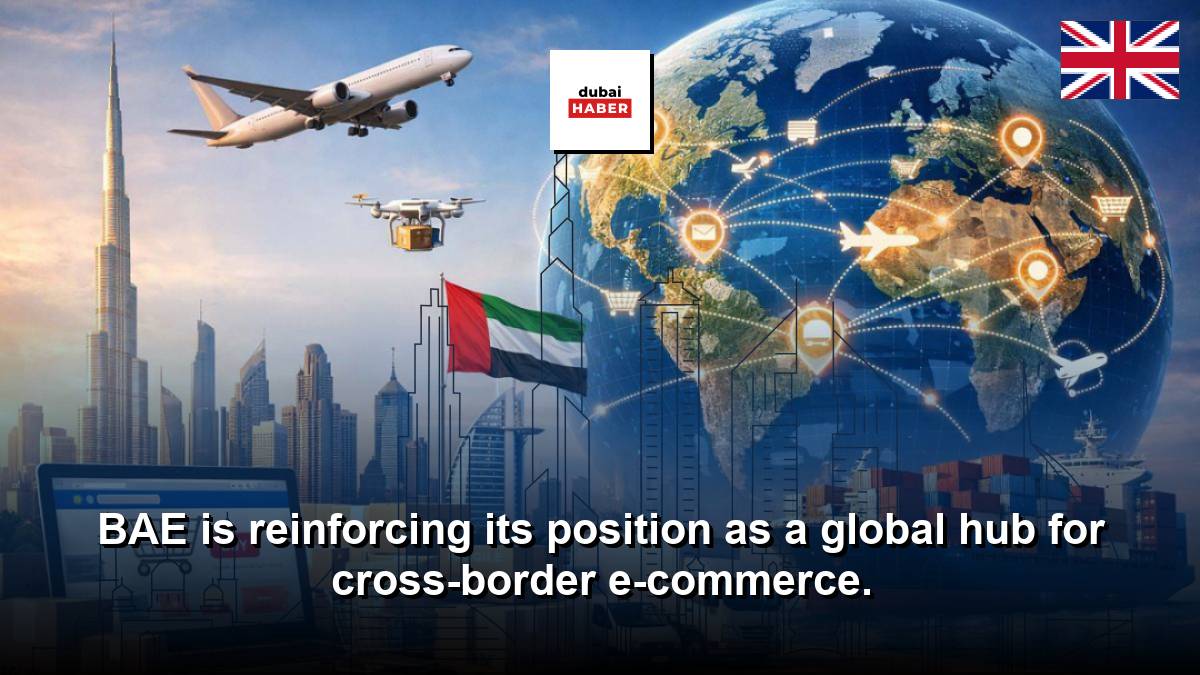
ABU DHABI, March 8, 2026 (WAM) -- The United Arab Emirates has solidified its position as one of the leading global and regional hubs in the e-commerce sector. It benefits from an integrated ecosystem characterized by advanced logistics infrastructure, rapid digital transformation in government services, and a flexible regulatory environment that supports the digital economy. These factors enhance the country's role as a significant platform for managing digital trade operations and cross-border e-commerce in the region, while also making it a launchpad for global companies looking to access markets in Asia and Africa. Specialized international reports indicate that the UAE is one of the most prepared markets for digital trade in the world. A report prepared by Standard Chartered reveals that the country ranks among the leading global markets in terms of readiness for digital trade, attributed to the strength of its digital ecosystem, clarity of its regulatory environment, and the rapid adoption of modern technologies by businesses; these factors are reshaping global trade routes. A study conducted by Euromonitor International in collaboration with EZDubai shows that the UAE's e-commerce market has experienced rapid growth in recent years, reaching approximately 32.3 billion AED in 2024, with expectations to exceed 50.6 billion AED by 2029, indicating an annual compound growth rate of 9.4%. The UAE's influence extends beyond its domestic market, supporting the growth of e-commerce in the region. International reports indicate that the e-commerce market in the Middle East and North Africa is rapidly expanding, projected to reach approximately 34.5 billion dollars in 2024 and grow to about 57.8 billion dollars by 2029. Experts believe that given the UAE's strategic advantages, it plays a central role in supporting this regional growth. Hemang Kapur, CEO of Shipa Freight, the e-commerce arm of Agility Group, stated that the UAE has become one of the most effective centers in the world for managing digital trade and cross-border logistics. Its strategic location allows businesses to reach over two-thirds of the world's population within an eight-hour flight, making it an ideal gateway for the Middle East, Africa, and South Asia. "This geographical advantage is supported by world-class infrastructure. Dubai International Airport processed approximately 2.2 million tons of cargo in 2024, while global port operator DP World handled 88.3 million TEUs in its network; Jebel Ali serves as one of the largest container hubs in the region," he explained. He added that when combined with free zones, digital trade platforms, and advanced logistics capabilities, the UAE has transcended being merely a transit point to become a regional control tower for international supply chains. "The UAE's investments in digital customs systems and smart logistics platforms have significantly reduced friction in cross-border trade. For instance, Dubai Customs reports that approximately 98% of customs procedures can now be completed electronically; this greatly accelerates the customs processes. The digital delivery order platform of Dubai Trade has also transformed cargo release processes, reducing procedures that once took up to 48 hours to less than 10 minutes." In Abu Dhabi, digital customs initiatives are ensuring that 72% of shipments are cleared before arrival in 2024, allowing cargo to move quickly through ports and airports. For cross-border e-commerce, these efficiencies directly result in lower costs, faster delivery times, and more reliable international shipping. Among the elements that distinguish the UAE globally is its combination of world-class logistics infrastructure with highly digitized trade systems and forward-thinking policy frameworks. "The country ranks 7th globally in the World Bank's Logistics Performance Index, reflecting its strong capabilities in customs efficiency, infrastructure, and shipment reliability. At the same time, the UAE's e-commerce market is expected to reach 32.3 billion AED (8.8 billion dollars) in 2024 and exceed 50 billion AED by 2029. Looking to the future, the next phase of growth will stem from greater adoption of artificial intelligence and automation in logistics and customs processes; this will enable faster compliance checks, predictive supply chains, and more efficient cross-border trade. "This will further strengthen the UAE's role as a global hub for digital trade and smart logistics," he concluded. Ahmed Kadhum Mohammed, Chief Investment Officer of Tradex, noted that the UAE is no longer just a traditional trade hub but has become an integrated operational platform for managing both regional and global digital trade. He stated that there are three main factors explaining this role: the scale of the country's foreign trade, its strategic geographical location, and the diversity of its trade partners—this is a significant strength of the UAE's trade ecosystem, especially considering the country’s continued expansion of Comprehensive Economic Partnership Agreements. He added that digital customs systems in the UAE, such as the Dubai Trade platform and the Mirsal 2 system, have, in many cases, reduced customs clearance times from days to hours. He noted that the company's operational experience shows that customs clearance times in the UAE can be reduced by 30% to 50% compared to some other regional trade corridors. He emphasized that the UAE's differentiation is not limited to infrastructure; rather, it stems from the integration of many elements within a single ecosystem, including flexible and frequently updated regulations, specialized free zones, a sophisticated banking sector, political and economic stability, and early adoption of government digital transformation.