 TR
 EN
 AR
 RU
 ZH
 DE
 FR
 ES
 HI
 FA
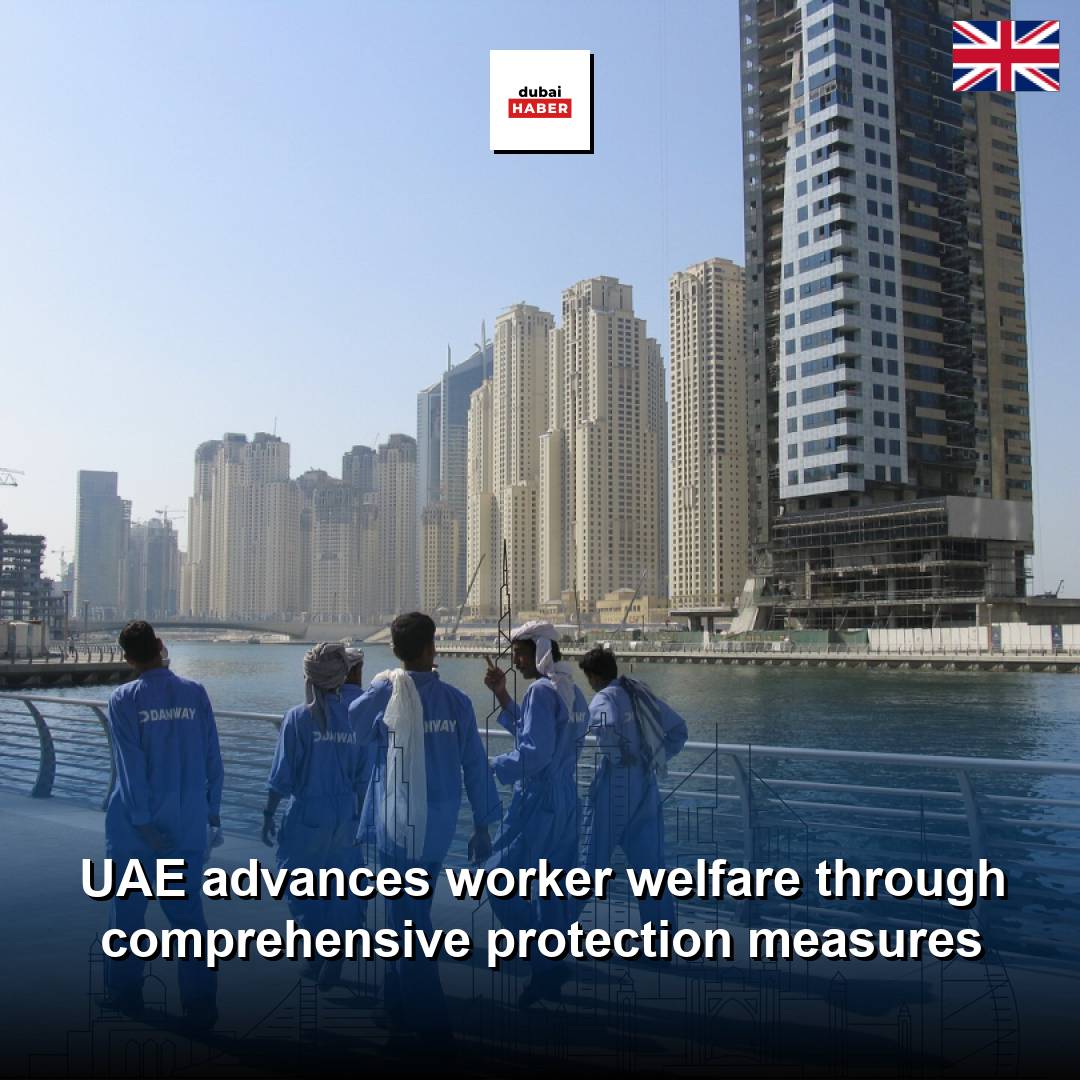
ABU DHABI, 27th November, 2026 (WAM) -- From a message read in a worker's own language to wages arriving on time and an air-conditioned rest station where a delivery rider can take a break from the summer heat, the UAE's worker protection system extends across everyday life. Rather than being defined by a single measure, the system encompasses procedures that begin with awareness, extend to safeguarding financial entitlements and ensure safer, more stable working and living conditions.
Figures from the first half of 2026 provide a practical picture of this system, with more than 44,000 workers benefiting from the Workers Protection Programme, receiving an average of approximately AED7,000 each. Total payments exceeded AED320 million by the end of June, helping protect workers' rights when they are unable to obtain their financial entitlements.
The financial safety net also extends to workers who have lost their jobs, with compensation paid through the Unemployment Insurance Scheme exceeding AED512 million since its implementation in early 2024 until the end of the first half of 2026. The scheme provides temporary financial support while beneficiaries seek new employment opportunities.
In the same context, the Ministry of Human Resources and Emiratisation (MoHRE) handled and settled 185,793 labour disputes during the first half of 2026, representing 98.6 percent of all registered disputes, while referring 2,481 cases, or 1.4 percent, to the judiciary. The ministry's authority to adjudicate labour disputes involving claims of up to AED50,000 helps streamline litigation procedures and enables rights holders to obtain their entitlements more quickly.
These mechanisms provide an institutional framework for resolving disputes while safeguarding the rights of both parties to the employment relationship, prioritising amicable settlements through specialised legal researchers and ensuring complaints are addressed within prescribed timeframes.
Protecting workers' rights extends beyond receiving and settling complaints to monitoring establishments' compliance with legislation. Inspection teams conducted approximately 212,000 visits during the first half of 2026, while the number of establishments found violating labour market legislation fell by 15 percent compared with the same period in 2025. Cases referred to Public Prosecution also declined by 49 percent to 490, compared with 962 during the corresponding period. The inspection system employs digital tools, artificial intelligence (AI), data analytics and risk indicators to direct visits towards higher-risk establishments and activities.
This oversight is closely linked to the Wage Protection System (WPS), which underwent a significant expansion of its digital infrastructure during 2026. The upgraded system enables instant and secure data exchange between the ministry and financial institutions, eliminating the need for employers to visit financial institutions to complete registration and submit required documents. The network of partners has expanded to 17 financial institutions, allowing employers to complete registration procedures digitally through participating entities' platforms.
The system covers more than 99 percent of private-sector workers, with average monthly wage transfers reaching approximately AED37 billion. Its role extends beyond transferring salaries to monitoring regular payments and improving wage disbursement efficiency, while the exchange of data provides a more accurate picture of wage movements. These measures are complemented by the Workers Protection Programme and the Unemployment Insurance Scheme.
Alongside financial safeguards, awareness remains the first step towards enabling workers to understand their rights, responsibilities and the procedures available to claim their entitlements. All targeted workers completed mandatory guidance programmes, while more than 1.3 million benefited from specialised awareness initiatives during the first half of 2026. The programmes are offered in 17 languages, ensuring information reaches different segments of the workforce in their own languages and familiarising workers with enquiry and complaint channels.
Protection measures also extend to everyday working conditions, particularly during the summer months, through the implementation of the Occupational Heat Stress Prevention Policy from 15th June to 15th September. This was accompanied by the provision of more than 12,000 air-conditioned rest stations equipped with essential amenities for delivery service workers across the UAE, allowing them to stop and rest during working hours in hot weather. The policy prohibits work under direct sunlight and in open areas between 12:30 and 15:00. These rest stations provide delivery workers with accessible places to rest during working hours, complementing financial and awareness measures with preventive protections.
Safety standards have also expanded to labour accommodation, with more than 2,800 facilities registered in the approved Labour Accommodation System by the end of the first half of 2026. These facilities provide accommodation that meets comfort, health and safety standards for approximately two million workers, extending protection to their living environments beyond working hours.
The system also encompasses social wellbeing, with approximately 800,000 workers participating in celebrations organised during the first half of 2026 in cooperation with government and private-sector partners. Held at more than 60 locations nationwide, these events sought to engage workers in national occasions and holidays and provide opportunities for social interaction beyond the workplace.
These figures demonstrate how the UAE's worker protection system begins with ensuring information reaches workers in their own languages, extends to safeguarding wages and entitlements, resolving disputes and providing compensation following job losses, and encompasses occupational safety, wellbeing and community participation. The impact of these measures is reflected in their ability to address the everyday needs of workers and provide tangible safeguards that support their stability and wellbeing.
(Source: WAM.ae)