 TR
 EN
 AR
 RU
 ZH
 DE
 FR
 ES
 HI
 FA
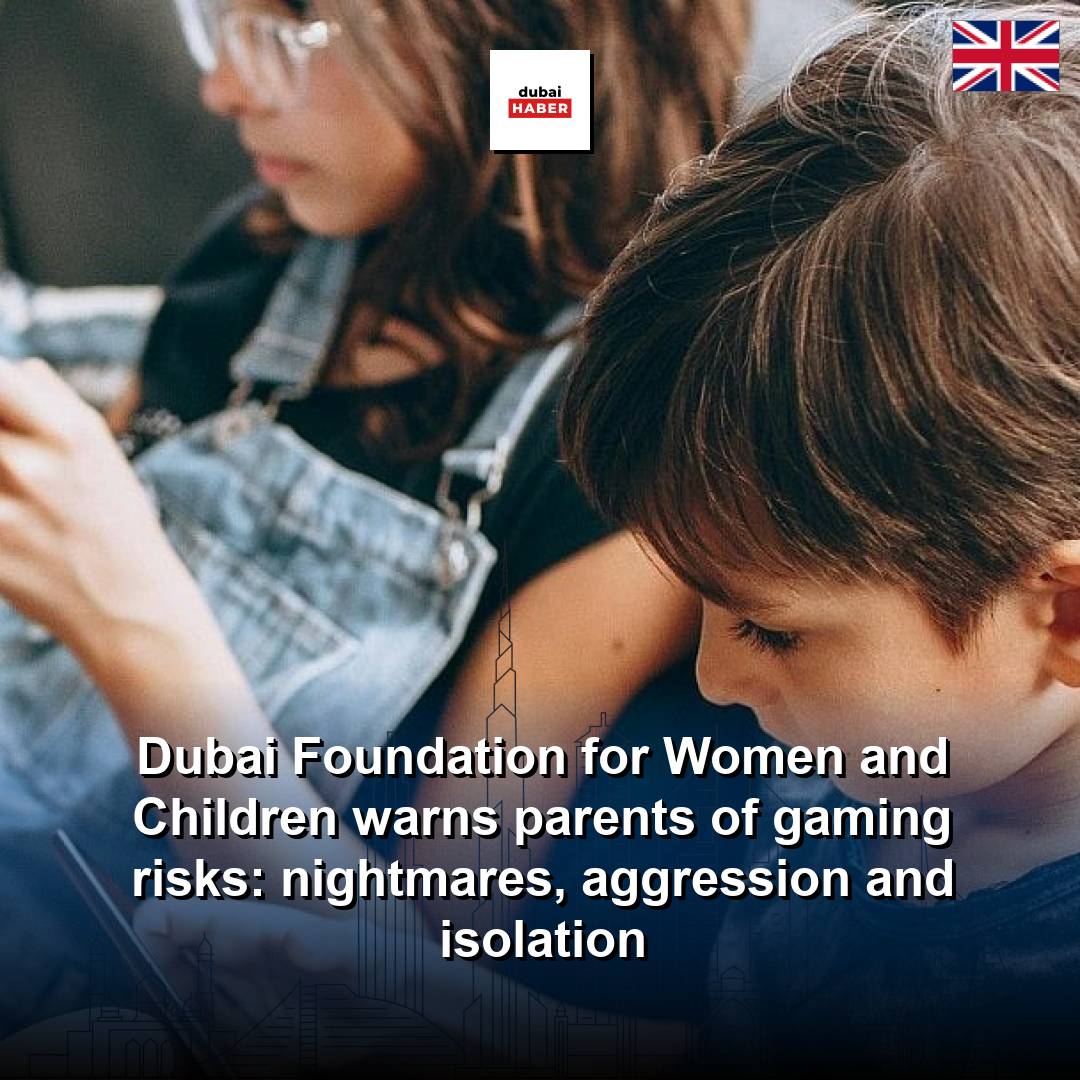
Parents in the UAE are being urged to pay closer attention to the video games their children play and the content they consume online, as the Dubai Foundation for Women and Children (DFWAC) warns that excessive gaming and repeated exposure to violent material could affect children's mental health, behaviour and relationships.
What may begin as a few hours of entertainment could become a concern when children struggle to stop playing, become aggressive when interrupted, or withdraw from family and friends, the foundation warned on November 26.
DFWAC said repeated exposure to violent scenes, particularly when combined with excessive gaming and limited parental supervision, could encourage some children to imitate aggressive behaviour, potentially leading to verbal or physical aggression and bullying.
It also cautioned that frequent exposure to violent content may reduce children's empathy, while frightening material could trigger anxiety, sleep disturbances and nightmares. Children who struggle to control their anger after losing a game or being asked to switch off their devices may also carry these reactions into everyday situations.
The effects, however, vary depending on a child's age, personality, home environment, the type of content consumed and the duration of exposure.
The foundation identified several behavioural changes that could indicate a child is spending too much time gaming or being negatively affected by online content.
These include staying up late and feeling tired during the day, declining academic performance, missing school, losing interest in friendships and withdrawing from family activities.
Other warning signs include extreme emotional reactions when gaming is interrupted, neglecting meals, personal hygiene and daily responsibilities, and becoming secretive about the games being played or refusing to discuss them.
DFWAC advised parents to seek help from a mental health or behavioural specialist if these signs persist.
According to the World Health Organisation's International Classification of Diseases (ICD-11), gaming disorder is characterised by three main patterns: difficulty controlling gaming habits, giving gaming priority over other daily activities, and continuing to play despite negative consequences.
For a diagnosis, the behaviour must significantly affect important areas of a person's life, including family relationships, education, social activities, or work. The pattern would normally need to be evident for at least 12 months, although this period may be shorter in severe cases.
The foundation stressed that protecting children must extend beyond the physical world, as digital platforms and gaming have become an integral part of their daily lives.
Parents were urged to check age ratings before allowing children to play games, understand the content they are exposed to, and take an active interest in their online activities.
Children should also be taught not to accept friend requests from strangers or share personal information, including their names, addresses, phone numbers and private photographs.
DFWAC encouraged parents to create an environment where children feel comfortable reporting frightening content, threats, cyberbullying or inappropriate interactions without fearing judgment or punishment.
Sheikha Saeed Al Mansouri, Acting Director-General of DFWAC, said prevention starts with families building relationships with their children based on trust and open communication.
She advised parents against immediately resorting to banning video games, recommending instead that they review game content and age classifications and occasionally play alongside their children to understand the games and the people they interact with online.
Al Mansouri also urged families to activate parental controls to manage access to content, in-game purchases and online conversations, particularly voice chats.
Setting clear limits on gaming time and encouraging alternatives such as sports, reading, drawing and group activities are also important, she said.
She also recommended keeping electronic devices away during family meals and before bedtime, and encouraged parents to lead by example by limiting their own mobile phone use during family gatherings.
Al Mansouri said the foundation had also shared awareness messages through its official social media platforms, encouraging families to identify the sources of digital content and monitor the videos and content creators their children follow.
She warned that children could be influenced by video game characters and their behaviour through widely circulated clips, even before playing the games themselves.
She emphasised that discussing the content children watch can help them develop greater digital awareness and understand the difference between online entertainment and acceptable real-life behaviour.
(Source: Khaleej Times)