 TR
 EN
 AR
 RU
 ZH
 DE
 FR
 ES
 HI
 FA
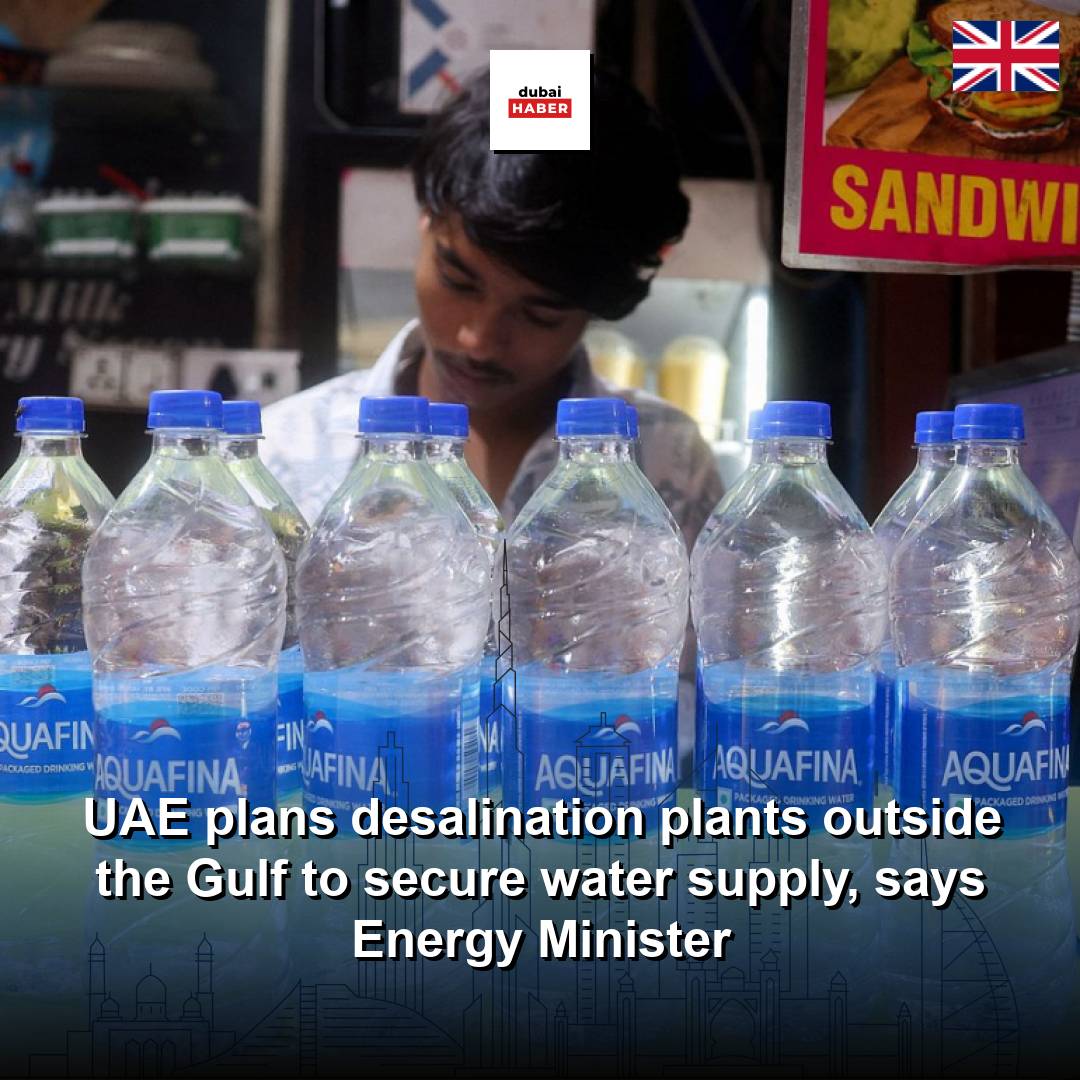
The UAE is planning to build more desalination plants outside the Gulf to secure drinking water production and increase capacity, said the country's energy minister.
Suhail Al Mazrouei, the UAE's Minister of Energy and Infrastructure, said that in addition to finding alternative routes for trade and logistics, the ministry is looking to diversify its clean water sources.
"We will be bringing many projects of desalination using the latest technologies at the east coast of the country, outside the Gulf," he said, explaining that too many plants concentrated in the region is "creating a challenge."
"The salinity level is going up, and we are all exposed to anything that could happen into that environment in terms of pollution, in terms of any aspects that could impact the water desalination plants," he explained. He was speaking at RAK Energy Summit on Wednesday.
The minister said that the UAE is now looking into its strategy to increase the number of desalination plants outside the Gulf and link them through major water transmission lines. This will ensure that there is added capacity and resiliency to potable water.
The oil spill in late October, mainly concentrated in Umm Al Quwain, prompted some beaches in the northern emirates to close as a precautionary measure. By late October, the UAE's environment ministry confirmed a noticeable decline in observed pollution intensity.
Etihad Water and Electricity (EtihadWE) developed a system following the incident to protect desalination plants by detecting approaching oil spills up to three days in advance.
Elsewhere in the region, desalination plants have been subject to Iranian attacks earlier in the summer. Kuwait's power generation and water desalination plant was hit in mid-July which sparked a fire.
Bahrain's desalination plant was also hit early on during the Iran-US-Israel war, which the Gulf country's national communication office said did not face any impact on water supplies or network capacity.
(Source: Khaleej Times)